About Quaintengeries
Imagine a world where everyone has access to clean, affordable, and reliable energy!
Renewable energy solutions require proven expertise. To develop them in a cost-effective, safe, and high-quality way requires strong partnerships, deep experience, and technical know-how. Quaint is a leading independent power producer (IPP) with one of the most complete portfolios in Kenya, which includes, but is not limited to, utility-scale solar, wind, hydro, geothermal, energy storage, and many more.
Quaint partners with the best in the industry to deliver well-thought-out, sustainable solutions, with an emphasis on cost reduction, speed of execution, and a low environmental footprint.
Why Quaint
With strong local roots and global reach, Quaint has been recognized both locally and globally as one of the upcoming Independent Power Producers (IPP) in Kenya. Quaint’s 40 MW Solar PV project at Nyakwere in Homa Bay was among the recognized projects that received development grant from the Government of the United States of America, acting through the U.S. Trade and Development Agency (“USTDA”), as part of their Power Africa initiative.
Our Story, Team, Partners & Approach
We are a triple bottom-line driven sustainable energy company, who believes that we can do well, while doing good.
We believe that climate change is the greatest challenge we face. We’re committed to doing everything we can to facilitate the transition to renewable energy for the betterment of our planet.
We work with a team of partners and professionals at the forefront of finance, law, public policy, and project development and EPC to forge bold innovations in clean energy investment.
Our approach to renewable energy development takes all stakeholders into consideration—our employees, partners, off- takers, and communities where we do business—to ensure equitable outcomes.
We believe that climate change is the greatest challenge we face. We’re committed to doing everything we can to facilitate the transition to renewable energy for the betterment of our planet.
We work with a team of partners and professionals at the forefront of finance, law, public policy, and project development and EPC to forge bold innovations in clean energy investment.
Our approach to renewable energy development takes all stakeholders into consideration—our employees, partners, off- takers, and communities where we do business—to ensure equitable outcomes.
Why Kenya
The Project offers an opportunity to invest in Kenya, one of the largest economies in Sub-Saharan Africa, and one of the higher credit rated ones. Kenya leads Africa in renewable energy, with 93% of its power from clean sources which includes wind, biomass, small hydro’s, geothermal, biogas, solar and municipal waste energy, attracting significant investment.
The government of Kenya recognizes that renewable energy sources (RES) which have potential to generate income and employment, over and above contributing to the electricity supply and diversification of generation sources. The National Energy Policy, encourages implementation of these indigenous renewable energy sources to enhance the country’s electricity supply capacity.
Pursuant to these policy strategies and in recognition of the potential of renewable energy sources in Kenya, the Ministry of Energy & Petroleum (MoE&P) has encouraged potential Independent Power Producers (IPPs) to carry out feasibility studies on renewable energy generation on the basis of which Power Purchase Agreements (PPAs) with the Off-taker can be negotiated. A Feed-in-Tariff (FiT) is an instrument for promoting generation of electricity from renewable energy sources.
A Feed-in-Tariff allows power producers to sell renewable energy generated electricity to an Off-taker at a pre-determined tariff for a given period of time. Kenya's long-term goal of reaching net-zero emissions by 2050 is estimated to require around $600 billion in total capital investment across the power and transport sectors.
Why Homa Bay
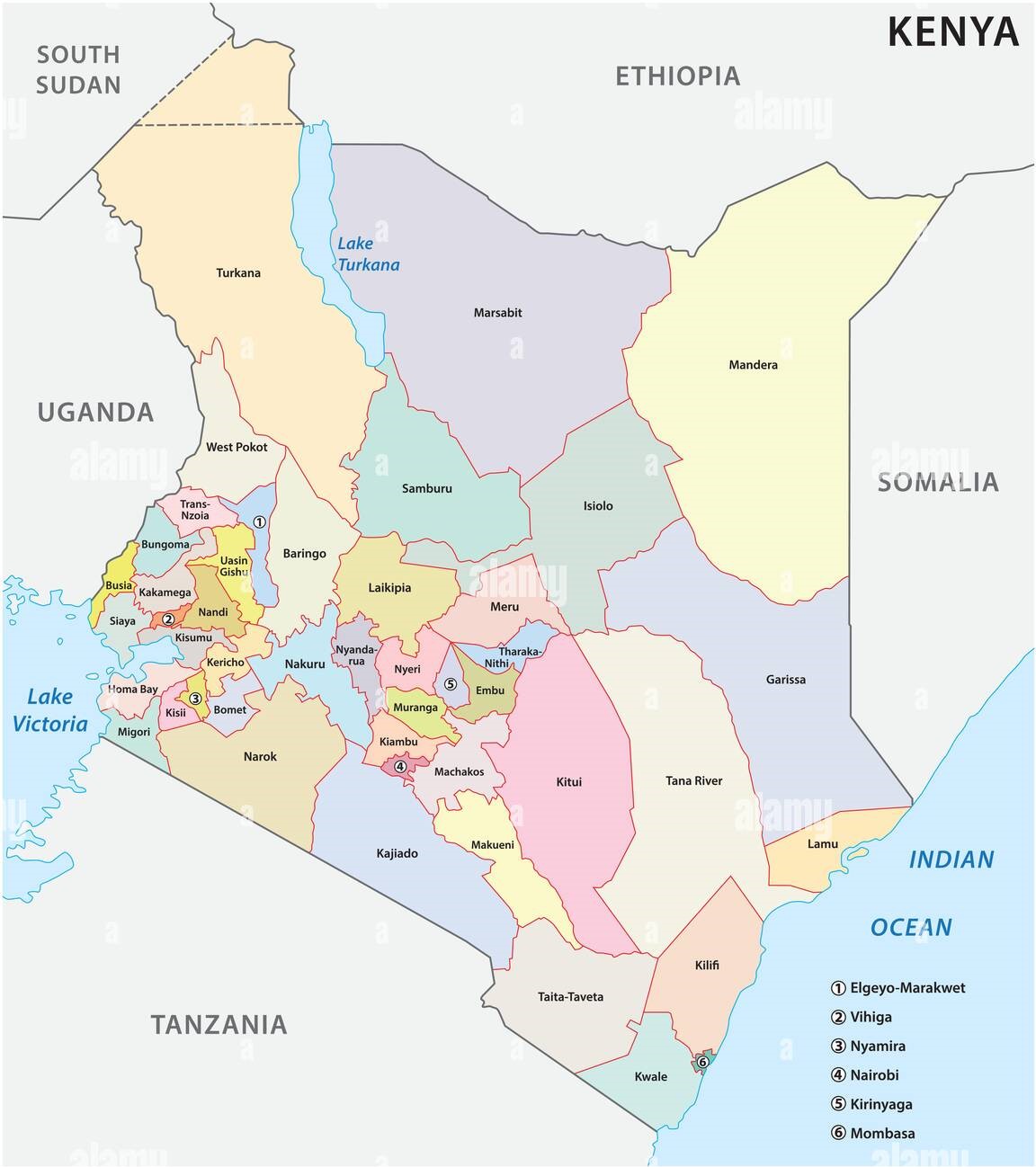
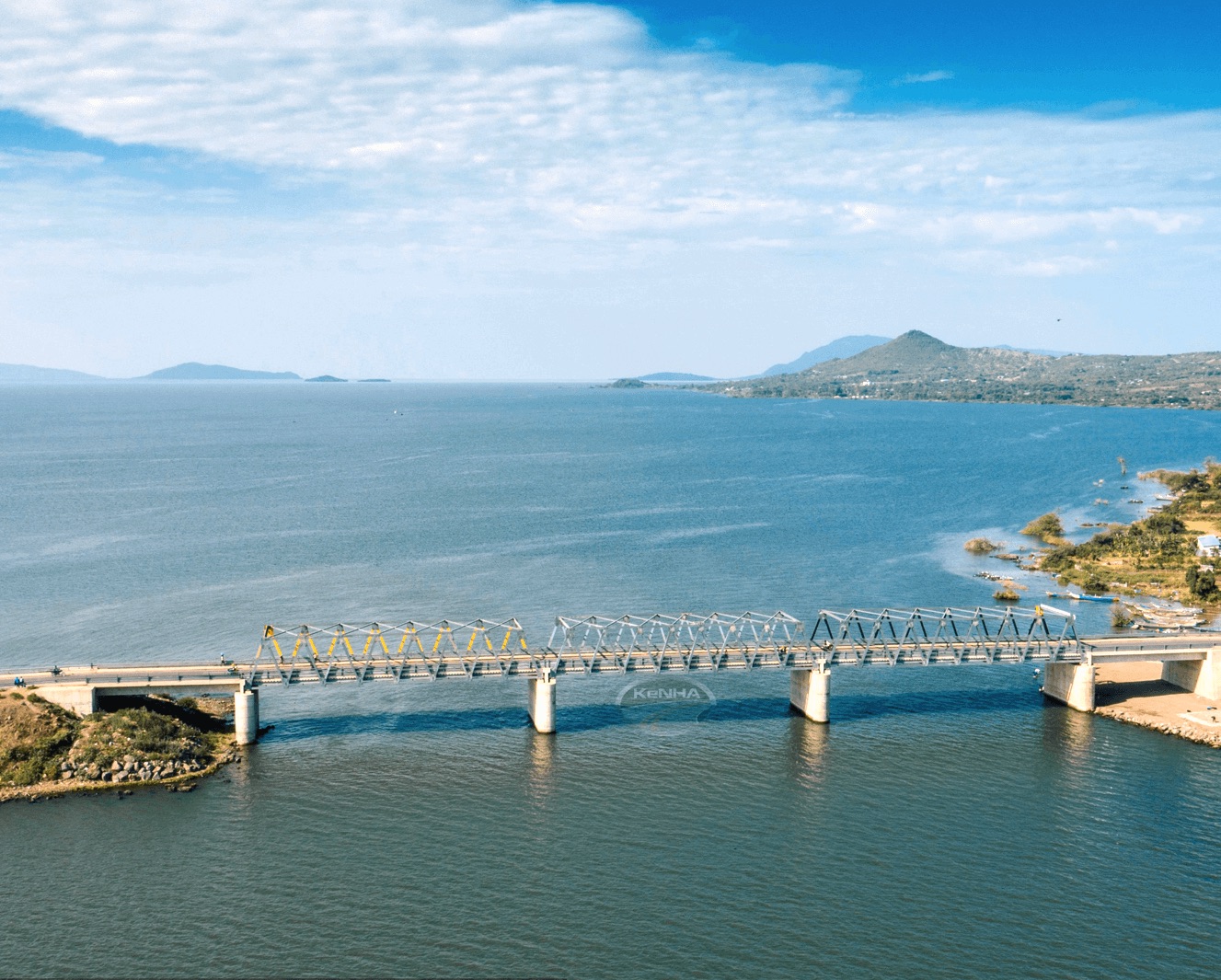
Located in the Southern part of Nyanza, along the southern shores of Lake Victoria- Africa’s largest Fresh water lake. Known for its scenic hills and picturesque shoreline, Homa Bay County covers an area of 3,183.3 sq km with a population of about 1.3m million people.
Led by one of the most dynamic Governor in Kenya, Homa Bay County is a county in the former Nyanza Province of Kenya. Its capital and largest town is Homa Bay. The county has a population of 1,131,950 (2019 census) and an area of 3,154.7 km2. Lake Victoria is a major source of livelihood for Homa Bay.
More generally, because most of the power plants in Kenya are located in the South East and Coastal regions, energy must be transported over long distances to the western region where the project will be located. The long distribution distances, coupled with insufficient capacity in the western region to meet local load, weakens grid stability and has caused power outages in Homa Bay County. The implementation of the Project will improve local grid stability and, in fact, throughout the national grid.
The Off Taker
The Project will sell its output to Kenya Power & Lighting Company Ltd. (“KPLC”), the utility responsible for the distribution of electricity throughout Kenya. KPLC is 50.1% owned by the Kenyan government and 49.9% publicly-traded on the Nairobi Stock Exchange. The country is rated B1 (Stable) by Moody’s and B+ (Stable) by S&P and Fitch.
KPLC is the sole purchaser of all electricity produced in the country from the government generator, Kenya Electricity Generation Company, and from private sector sources. As such, it is the cornerstone of Kenya’s electricity sector in Kenya. In fact, there is a strong private sector presence in the sector.